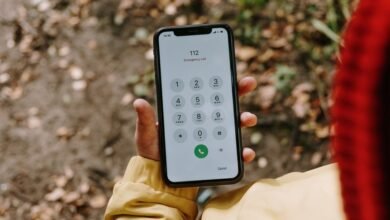
The number 877-313-1188 can be a vector for scams, spoofing, and data exposure. Impersonation and urgent requests push for quick decisions, while spoofed IDs and leaked contacts feed targeted attacks. Real-time caller verification, filters, and opt-in alerts can reduce risk. Protect data with strong passwords and 2FA, and maintain layered screening routines that adapt to new threats. The costs of complacency are real, and gaps may surface when least expected.
What Can Go Wrong With 877-313-1188? Common Scams and Red Flags
Common scams and red flags surrounding 877-313-1188 include impersonation attempts, unsolicited requests for personal information, and pressure to act quickly.
This section outlines what can go wrong with deceptive calls, detailing typical tactics and warning signs.
It presents clear, practical guidance for recognizing risks, verifying identities, and maintaining control.
The focus remains on what can go wrong with informed, proactive decision making.
How Spoofing and Data Leaks Happen: and Why It Matters
Spoofing and data leaks occur when attackers manipulate caller ID and exploit exposed information to undermine trust or steal identities. Data spoofing erodes confidence in communications, while exposed data enables targeted call scams and unauthorized access. Understanding mechanisms—such as database leaks, device vulnerabilities, and social engineering—helps organizations implement safeguards. This awareness supports freedom by reducing coercive manipulation and preserving personal control.
Practical Steps to Verify Callers and Block Nuisance Calls
To verify callers and curb nuisance calls, organizations should adopt a practical, multi-layered approach that combines verification, screening, and user controls. Implement caller verification protocols, allow whitelisting/blacklisting, and enable real-time blocking with opt-in alerts. Regular audits reduce privacy lapses and strengthen trust. Clear policies empower users to manage preferences, while analytics identify suspicious patterns without encroaching on legitimate communication.
Safeguard Your Personal Info and Build a Resilient Routine
Safeguarding personal information and establishing a resilient daily routine are essential defenses against social engineering and data threats.
The article outlines safe practices that minimize exposure: strong unique passwords, two-factor authentication, and cautious sharing. It emphasizes privacy priorities, short routines for monitoring accounts, and rapid response to anomalies.
A disciplined mindset reduces risk while preserving personal autonomy and freedom.
Frequently Asked Questions
How Can I Tell if 877-313-1188 Is Legitimate or Spoofed?
The caller’s legitimacy can be assessed by identifying scam indicators, such as pressure tactics or requests for personal data. To verify caller legitimacy, cross-check number with official sources and contact the organization directly.
What Personal Data Should I Never Share With Unknown Callers?
Only share essential personal data; never reveal full Social Security numbers, bank details, passwords, or authentication codes. A recent study shows 60% of breaches involve social engineering. Prioritize privacy pitfalls, caller authentication, and cautious verification practices.
Do Call Blocking Apps Reduce All Spoofing Risks Effectively?
Call blocking apps do not eliminate all spoofing risks, though they reduce many; users should combine features with caution. If I understand correctly, you want two two word discussion ideas about the subtopic that are not relevant to the listed H2s, in a one line comma separated list: dismissed concerns, spoofing limits.
Can Legitimate Businesses Reuse Numbers After a Scam Shuts Down?
Immediately: yes, a legitimate business may reuse numbers after scam shutdowns, but only after thorough due diligence, regulatory compliance, and reputation rebuilding; careful monitoring, consent checks, and transparent disclosure are essential to prevent repeat abuse and protect customers.
What Steps Should I Take if I’Ve Already Shared Sensitive Info?
If someone has shared sensitive info, immediate actions include initiating privacy breach notifications, pursuing data protection steps, and reviewing accounts; stay aware of phishing awareness and caller authentication signals, noting spoofing indicators while implementing recovery steps.
Conclusion
In addressing the risks around 877-313-1188, vigilance and structured defenses prove essential. The threats—scams, spoofing, and data leaks—can cascade quickly unless preemptive checks and verification are routine. Implement real-time caller validation, maintain updated blacklists, and require opt-in alerts. Protect accounts with strong passwords and 2FA, and minimize data shared publicly. Build a multi-layered routine that screens, monitors, and adapts to evolving tactics; with disciplined consistency, exposure to harm can be dramatically reduced—almost fearfully low.