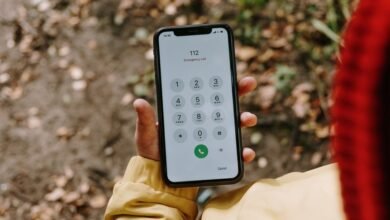
8443254056 raises questions about legitimacy and potential losses. People fear scams, hidden charges, or data exposure. Clear steps exist: verify the caller independently, compare the number with official sources, and limit sharing personal details. Implement reliable call-blocking tools and trusted management apps. Prepare calm, scripted responses to deflect pressure. Privacy awareness matters, as does pausing before answering. Structured verification helps distinguish legitimate contact from fraud, but a prudent approach leaves one key issue unresolved, inviting further scrutiny.
What Is 8443254056 and Why It Matters
8443254056 is a numeric identifier used to reference a specific topic or entity within the context of the article. The item designates a caller ID pattern linked to both legitimate numbers and potential fraud. Understanding its role clarifies how 8443254056 scams manifest, enabling recognition. This knowledge aids users to prevent future issues and protect yourself now without compromising freedom.
Common Fears About Calls, Scams, and Charges?
There are common fears surrounding calls, scams, and charges that stem from uncertainty about intent, legitimacy, and potential financial loss.
In this context, the discussion remains focused on systemic risk and personal resilience, not sensational detail.
Fraud prevention strategies reduce caller anxiety by clarifying signals, verifying sources, and rehearsing responses, promoting informed engagement while preserving autonomy and freedom.
Fast, Practical Steps to Protect Yourself Now
People facing concerns about calls, scams, and charges can act immediately by adopting practical, low-friction protections that reduce exposure and uncertainty. The approach emphasizes privacy risks awareness and straightforward steps, not paranoia.
Implement caller verification practices, limit sharing personal data, enable robust blocking, and use reputable apps. These measures preserve autonomy while maintaining vigilance, delivering freedom through controlled, informed communication.
How to Identify Legitimate Numbers and Prevent Future Issues
To identify legitimate numbers and prevent future issues, readers should verify caller identity using independent sources, confirm expected contacts, and cross-check the number against official channels before responding or sharing personal information.
This approach emphasizes identifying scammers and verifying legitimacy through cautious verification, independent records, and structured checks, reducing exposure, misdirection, and recurring threats, while upholding autonomy and informed decision-making.
Frequently Asked Questions
How Can I Verify a Trusted Contact Number Quickly?
He verifies a trusted contact number quickly by following verification steps: he confirms the number, cross-checks with known records, and tests responsiveness; trusted contacts are prioritized, ensuring secure confirmation while maintaining user autonomy and consistent privacy safeguards.
What Should I Do if I’M Charged Incorrectly?
If charged incorrectly, pursue error resolution promptly and document all charges; contact support, request a review, and dispute discrepancies. Prioritize account security by updating credentials and enabling alerts, ensuring transparency and control over billing disputes and refunds.
Do Legitimate Companies Use Short Codes for Calls?
Yes, legitimate companies use short codes for calls. They employ legitimate shortcodes and trusted contact verification to confirm identities, ensure consent, and protect users, while preserving autonomy and privacy for individuals seeking freedom from unsolicited outreach.
Can Call-Blocking Apps Affect Emergency Access?
Blocking apps can hinder emergency access by delaying dialing and location services; however, most systems preserve caller ID and SOS features. The call blocking implications require careful policy, with emergency access considerations prioritized for public safety and user autonomy.
How Often Should I Review My Call History for Fraud?
Reviewing call history for fraud should occur regularly, with a monthly baseline and additional checks after anomalies. The process includes verification steps and watching for fraud indicators, ensuring timely detection while preserving user freedom and control.
Conclusion
In the digital maze, vigilance is the compass. By verifying numbers through independent sources, limiting personal data, and employing reputable blocking tools, readers can navigate safely. The structure of careful verification adds a shield, and calm responses prevent hasty errors. Like a steady lighthouse, these practices illuminate risk where doubt would otherwise cast shadows, guiding toward legitimate contacts and away from scams. With disciplined steps, uncertainty becomes manageable clarity.