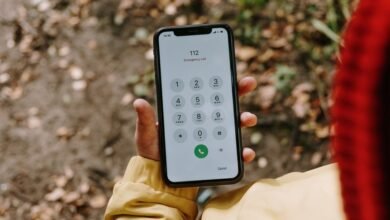
The issue with a number like (606) 825-0036 lies in spoofed data, misrepresented identities, and timing that hides intent. Verification must be independent, using official channels to confirm the caller’s claim. Pause to gather details, avoid sharing sensitive information, and document every exchange. Cross-check the organization, watch for pressure tactics, and assess credibility before proceeding. If doubt remains or data is disclosed, report or block, then follow up with objective notes for verification trails.
What Could Go Wrong With a Number Like (606) 825-0036
There are several potential issues to consider with a number like (606) 825-0036. The analysis notes data collection as a primary concern and records caller behavior patterns for evaluation.
Reliability depends on source integrity, timing, and context. Inconsistent metadata or spoofed identification may mislead assessments.
Documentation should remain objective, auditable, and privacy-respecting to support accurate decision-making and appropriate response actions.
How to Verify If the Call Is Legit or a Scam
To verify if a call from the number is legitimate or a scam, begin by confirming the caller’s identity through independent channels and cross-referencing the claimed organization, department, or service with official contact information. The process remains objective: verify scam signals, assess caller legitimacy, check for pressure tactics, request written verification, and document outcomes for future scrutiny and personal autonomy. verify legitimacy.
Steps to Respond Calmly and Protect Your Information
In responding to a suspicious call, the person should pause briefly to collect essential details, then proceed with a controlled, stepwise approach: verify identity, do not share sensitive information, and document all interactions for reference.
This method minimizes privacy risks, supports caller verification, and preserves autonomy. Calm, factual notes enable verification trails and faster future protection.
When to Report, Block, or Ignore and How to Follow Up
Determining when to report, block, or ignore a suspicious call hinges on clear criteria and a firm action plan: report if personal data has been shared, if the caller persists with threats or requests, or if the call repeats from known scam numbers; block the number to prevent further contact, and ignore non-urgent or unsolicited messages that fail to verify legitimacy. verification techniques, privacy safeguards.
Frequently Asked Questions
Could This Number Be Spoofed or Masked by Robocalls?
Yes, it could be spoofed or masked by robocalls. The technique involves spoofed numbers and robocall masking, obscuring origin. Operators may imitate legitimate identifiers, necessitating caution, verification, and blocking measures to protect personal freedom and security.
How Can I Check if a Caller Is Harassing Me?
The answer: To assess harassment indicators, the caller’s behavior, persistence, threats, and unwanted contact are evaluated; maintain records. For caller verification, request identifying information and log times. If persistent harassment occurs, consult authorities and block numbers.
What Records Should I Keep After a Suspicious Call?
Records should be kept: times, dates, numbers, and content summaries; verify caller identity when possible; adjust privacy settings; consider call blocking if harassment persists; maintain documentation of responses and any threats or suspicious behavior.
Can Legitimate Businesses Use Random Area Codes Like 606?
Yes, legitimate businesses can, but rarely, use random area codes to mask outreach. The practice raises suspicion; procedures require documenting call origin, validating numbers, and ensuring compliance with dialing regulations and consumer consent. random area codes, legitimate dialing.
What Privacy Settings Help Reduce Future Unknown Calls?
72% of consumers report receiving more unknown calls; privacy settings can help reduce future unknown calls. The approach emphasizes unknown call reduction, spoofing risks awareness, caller harassment checks, record keeping after calls, legitimate business practices as framework.
Conclusion
A cautious, procedural stance is essential when evaluating calls from numbers like (606) 825-0036. Verification through official channels, pause for details, and withholding of sensitive data are prudent first steps. Document interactions and cross-check the claimed organization while watching for pressure tactics or inconsistencies. If legitimacy remains doubtful, report, block, or ignore. Example: a hypothetical university alumni scam used a similar number, pressuring immediate response; verification halted the breach and triggered appropriate reporting.